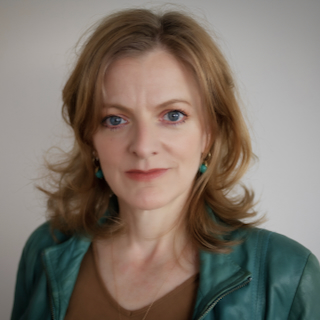
About Mareike Schomerus
Drawing connections between different areas of research, uncovering what invisible factors shape today’s complex challenges, or how we think about solutions is exciting to me. Recently, I have been thinking about the relationship between humans and AI in knowledge creation, and how to ensure that we reflect on it and keep track of it, for example through the sIfA Tool. Another cute question for me is how to best teach knowledge creation through highlighting that the research process is a set of decisions, including on one's own epistemology. More about that in this book with Anouk S.Rigterink.
I am seeking to unpack, through research, the many layers of human emotions, memories, experiences and actions—what I call the ‘mental landscape’— and then apply these insights, for example when understanding what it means to be resilient to situations of fragility, conflict and violence. That can only work through genuine collaborations with implementing actors with the to improve how policies can equitably support people from different backgrounds and walks of life and facilitate needed systemic change towards fairer societies. In my current position as Vice President for Futures, Impace, Voice and Engagement (5) at Busara, I am lucky to be working with people who bring unique perspectives into these and other debates on the most important questions humans are facing today. My work seeks to better understand challenges in governance, fragility and violent conflict by including behavioral science in analysis and implementation and thinking on how to more generally transform development engagement in situations of violence conflict or its aftermath. In addition, I am focused on AI strategies for research organisations that seek equitable, transparent and cognitive skill-building interactions with AI in their work.
Formerly, I was Director of Programme Politics and Governance at ODI in London, and Research Director of the Secure Livelihoods Research Consortium (SLRC), also at ODI. My writing focuses on violent conflict, political contestation (including through violent or political extremism), peace processes in South Sudan and Uganda and across borders, and can be found in academic journals, as advisory reports for international organisations, in my books.
I am a member of the African Borderlands Research Network (ABORNE) and the Conflict Research Society (CRS), and received a PhD from the London School of Economics and Political Science. Occasionally, I teach at the University of Chicago’s Harris School of Public Policy.